
Echoes We Never Chose
Every Family Leaves More Than Memories

There is an inheritance that is passed quietly from one generation to the next, woven into everyday conversations, silent expectations, emotional reactions, and deeply rooted beliefs about life. Unlike money or property, this inheritance often goes unnoticed because it feels normal. It becomes the atmosphere in which children grow, the lens through which adults interpret the world, and the script that silently directs countless decisions. Many people spend years believing their fears, habits, and emotional struggles began with them. They assume their tendency to overwork, avoid conflict, distrust others, or constantly prepare for disaster is simply part of their personality. Yet personality is rarely created in isolation, it develops within an emotional ecosystem built long before our birth.
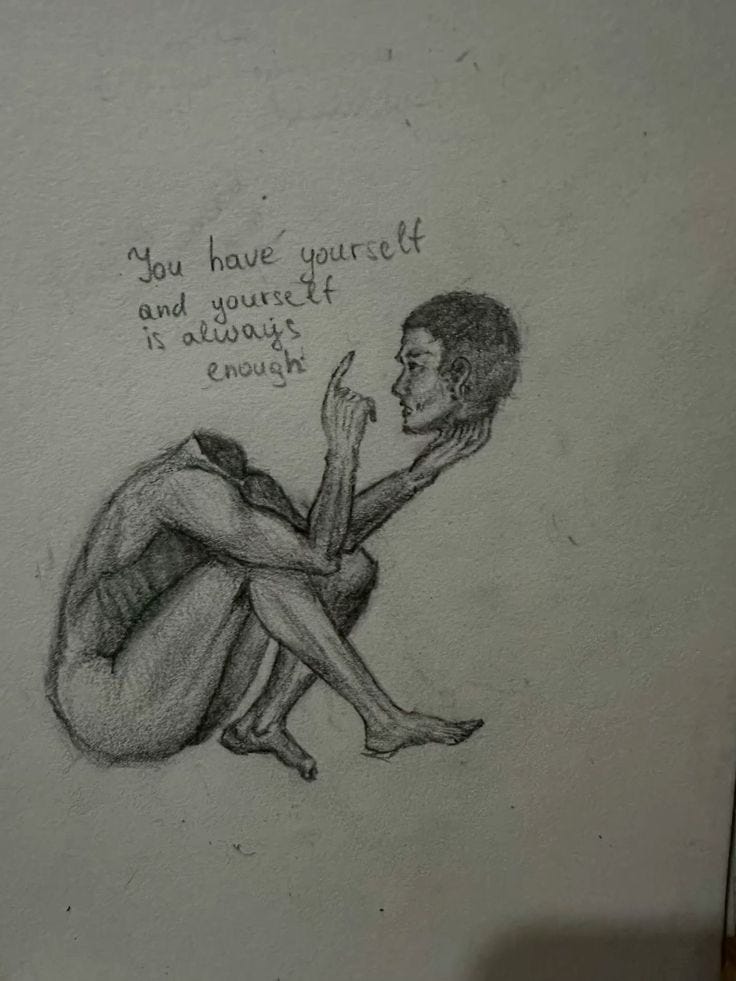
Every family has stories of triumph and loss. Some are proudly told around dinner tables, others remain hidden behind silence, shame, or forgotten photographs tucked into old drawers. Even when these stories are never spoken aloud, their emotional consequences often continue to influence future generations. This invisible inheritance shapes how people experience success, love, safety, belonging, and even hope. It determines whether abundance feels natural or suspicious, whether rest feels deserved or irresponsible, and whether vulnerability is welcomed or feared. Recognizing these inherited patterns is not about assigning blame to previous generations, it is about understanding that every family does the best it can with the emotional resources available at the time. What one generation develops as protection may become a limitation for the next. The remarkable truth is that inherited emotional patterns are not permanent, awareness creates choice, and choice creates transformation.
When Survival Becomes a Way of Seeing the World
Imagine living through years where uncertainty is your constant companion, food is unpredictable, employment is unstable, safety depends on vigilance rather than security, every possession has value because replacing it may never be possible. In environments like these, resourcefulness becomes wisdom. Saving every usable item is not excessive—it is intelligent, preparing for tomorrow is not pessimism it is survival. The problem begins when the external crisis disappears but the internal alarm never turns off. Someone may now live comfortably, yet still experience intense anxiety about wasting food, another may continue storing possessions long after they have any practical purpose, others may find it impossible to spend money on themselves despite financial stability. These behaviors often confuse outsiders. "Why are they so worried?","They have enough.", "They don't need to keep everything." What observers fail to recognize is that the nervous system rarely updates itself simply because circumstances improve. Safety is not only an external condition, it is an internal experience. When survival becomes deeply embedded, abundance may feel unfamiliar, comfort may even produce anxiety because the brain has learned that peaceful seasons never last. This explains why some individuals continue preparing for emergencies that never arrive, they are not responding to today's reality, they are responding to yesterday's lessons.
The Hidden Language Children Learn
Children absorb much more than instructions, they study facial expressions, they memorize emotional tones, they observe how adults react to disappointment, conflict, celebration, uncertainty, and affection. Without realizing it, they begin answering life's biggest questions: Is the world trustworthy?, Are people safe?. These questions are rarely answered directly. Instead, children construct their worldview through repeated experiences. If every financial discussion ends in panic, money becomes associated with fear, if emotions are consistently dismissed, vulnerability begins to feel dangerous, if perfection is constantly demanded, mistakes become personal failures instead of learning opportunities eventually these conclusions become automatic beliefs. By adulthood they feel like objective truth rather than learned interpretations. This is why two people can experience the same situation yet respond completely differently. One sees opportunity, another anticipates catastrophe. Neither reaction appears irrational to the individual experiencing it, each is responding according to an emotional map created over decades.
Pain Is Not the Only Legacy
Fortunately, emotional inheritance is not limited to suffering. Families also pass down extraordinary strengths namely persistence, compassion, creativity and faith. Many individuals carry remarkable resilience without fully recognizing its origins, perhaps an older relative consistently demonstrated patience during hardship, maybe someone quietly modeled forgiveness after profound betrayal, another may have shown unwavering hope despite repeated disappointments. These examples become internal blueprints. Long after the original people are gone, their emotional influence remains alive through those they inspired. Understanding inherited resilience is just as important as identifying inherited pain, healing is not about rejecting one's roots, it is about preserving wisdom while releasing unnecessary suffering.
Why Emotional Patterns Repeat
Families often wonder why similar struggles appear generation after generation. Relationships fail in familiar ways, financial instability continues despite increased opportunities, anxiety appears in multiple relatives, parenting styles seem almost identical across decades. The explanation is surprisingly practical. Human beings naturally imitate what feels familiar. Even painful experiences become psychologically comfortable simply because they are known. Someone raised in unpredictable environments may unconsciously choose unpredictable relationships. An individual accustomed to emotional distance may struggle with genuine intimacy because closeness feels unfamiliar. Another who witnessed constant criticism may unknowingly recreate that communication style with partners, colleagues, or children. This repetition is rarely intentional, it is automatic. The brain prioritizes familiarity over health. That is why awareness becomes the first act of liberation, you cannot interrupt a pattern you cannot see.
The Biology of Emotional Experience
Modern research increasingly suggests that prolonged stress influences more than thoughts. Chronic adversity affects hormones, immune functioning, sleep quality, cardiovascular health, and even how genes are expressed. Scientists continue exploring how severe stress experienced by one generation may influence biological responses in later generations through mechanisms associated with epigenetics. Although many questions remain under investigation, one conclusion continues receiving support: The human body remembers. Emotional experiences are not stored exclusively in memory, they also influence breathing, posture, muscle tension, digestion, heart rate, energy levels. This explains why some individuals experience physical symptoms during emotionally challenging situations even when no immediate danger exists. Their bodies are responding to historical patterns rather than present reality. Healing therefore requires more than positive thinking.
Healing Requires More Than Insight
Understanding why we struggle is valuable but insight alone rarely creates lasting change. Many people intellectually understand their emotional patterns while continuing to repeat them. Knowledge opens the door, practice walks through it. Real transformation occurs through consistent experiences that gradually convince the brain, body, and emotions that a different way of living is possible. This may involve learning healthier communication, developing emotional regulation, practicing self-compassion, establishing boundaries, seeking supportive relationships and creating routines that reinforce stability. Healing becomes less about dramatic breakthroughs and more about countless small decisions repeated over time. Each healthy response becomes evidence that the future does not have to resemble the past.